
Until it closed at the end of 2021, the Three Lions was the only pub in Meden Vale, a small village nestled amongst the woods and fields spanning the northern most part of Nottinghamshire. The pub was built in 1967 by Mansfield Brewery to serve what was then known as Welbeck Colliery Village. In the 1950s Welbeck Colliery already employed nearly 1600 ‘men’ (1282 ‘Underground’ and 318 ‘Surface’), and this number would rise further as many ‘Geordie’ miners moved with their families from the North East during the 1960s. This was a time when the mine was at its busiest and the village expanded in size to accommodate these new arrivals in modest two and three bedroom semi-detached houses. Inspiration for the newly built pub came from the Three Lions crest of the England men’s football team who had won the World Cup the previous summer.
Mansfield Brewery was confident that their investment in developing a new site would profit from the refreshment of thirsty labourers employed in what we know in hindsight to be the final years before the turmoil of deindustrialisation. This binding together of pubs and industrial labour is evoked in a company history of Mansfield Brewery:
‘In the coal fields surrounding Mansfield in Nottinghamshire, after a long perspiring shift in the gritty, black darkness of the coal face, there was no finer Holy Grail to occupy a pitman’s imagination than that first pint of Mansfield’s brew after a refreshing pithead bath. As men would hew the coal, a mile above them other men would brew their beer. Landlords and barmen recall a time when the staff of pubs in the vicinity of pits would keep their eyes on the clock. As the end of a shift approached, the top of the bar would be covered with pints of mild, bitter or mixed – a good publican knew every miner’s order – ready for the thirsty colliery exodus about to descend upon their watering hole’ (Bainton, 2006: 11).
Mansfield Brewery epitomised an era of British brewing; a family brewer building up its estate of pubs and developing a corporate paternalism characteristic of the British brewery trade through much of the 20th century. In industrial areas around the country, similar pubs sprung up close to workplaces or to the estates of expanding towns and cities. It’s a kind of symbiosis acknowledged in The Pub and its People, the landmark study by Mass Observation that took the pubs of 1930s Bolton as a window into the routines and rituals of working-class community life in a Northern industrial town.
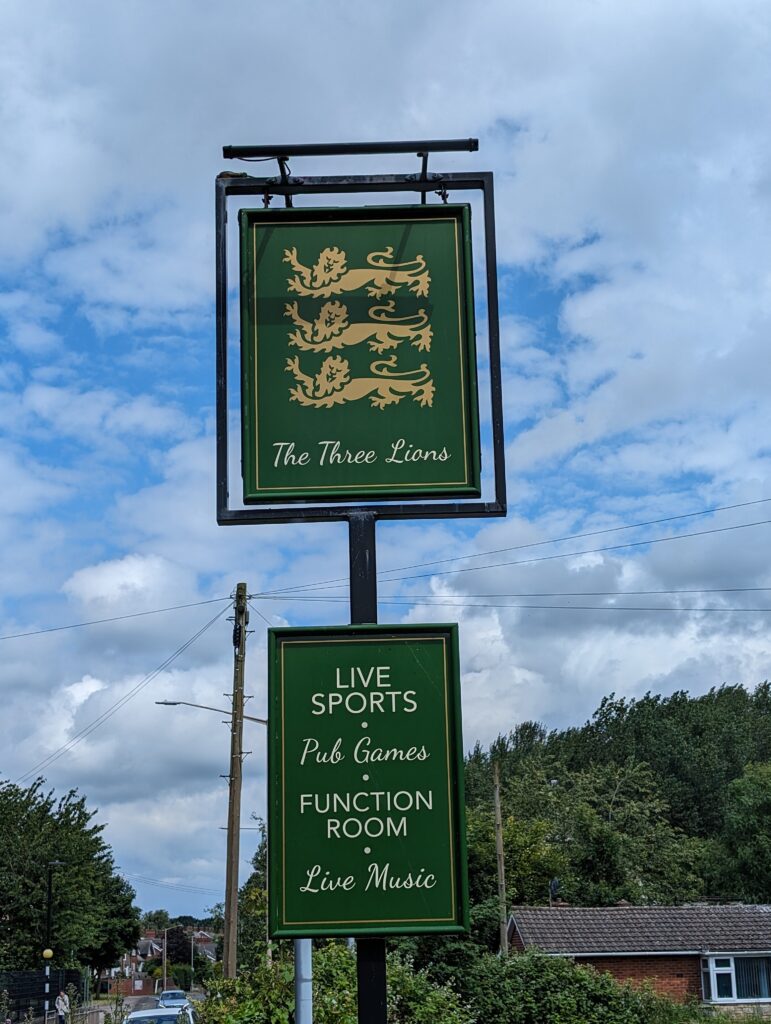
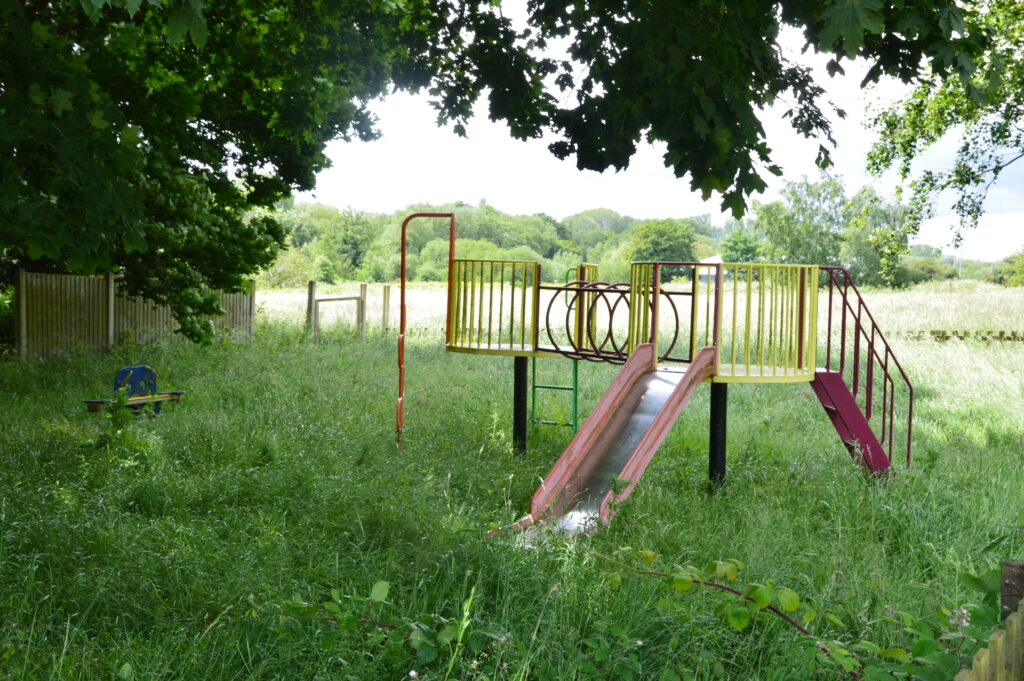
To look at, The Three Lions doesn’t much resemble the ‘village pub’ as it appears in many imaginations and media representations. Despite its rural setting, the pub was architecturally and culturally closer to the now much maligned modernist post-war ‘estate pub’. A large flat-roofed single storey surrounds the pitched roof of the two-storey main building. Inside, the layout of the pub was designed to serve large numbers of thirsty miners, and to entertain them and their families on evenings and weekends. A main bar area served several large rooms with tables set out around the edge and a pool table atop of a tiled floor once used for dancing. On the first floor of the main building was the publican’s living space. A conservatory annex was later added and served as a family room, brighter than the main bar area and overlooking a small playground to the rear of the pub where a slide and climbing frame sit under the canopy of several large oak trees. In front and to the sides of the pub was car parking for 80 cars running parallel with Netherfield Lane, the main road cutting across the Southern extent of the village.
The Three Lions is remembered as an inseparable part of village life during the heyday of the mine. A natural extension of the life of the pit. A place where workplace solidarities between miners and their families were fortified over the years. When we first visit the village, we are told by one local that in the 70s and 80s ‘if you weren’t in here by seven o’clock, you didn’t get a seat. You literally didn’t get a seat in either side’ of the bar. This sense of conviviality between workers and their families would be tested during the 1984 miners strikes, with striking and non-striking miners clustering in different parts of the pub – the former in the taproom and the latter in the lounge.
The pit at Meden Vale survived longer than most British coalmines, but after a period of contraction it closed in 2010. Most of the 400 or so remaining workers were offered transfers to the few other remaining collieries in the midlands. For most, this meant Daw Mill Colliery near Coventry; the last working coal mine in the West Midlands which itself would close in 2013 following a major fire. Many miners took these jobs away from their families, taking lodgings in Coventry to avoid the 140 daily mile round trip necessary to continue their underground labours.
The mine headstocks were demolished by explosives in 2011. Shortly after, in 2012, the only other drinking venue in the village aside from the Three Lions, the Miners Welfare, closed and subsequently demolished. Miners Welfares, such as the one in Meden Vale, were directly funded by contributions from miners pay, meaning that once the mining jobs went so did the funds to maintain the Welfares. Although some have survived and still operate today, they do so as independent businesses. With the closure of the mine, and the loss of the Miners Welfare, the 2010s were a period where a growing sense of slow decay takes root. Services, including the local GP practice, shut and moved to the nearby towns of Warsop or Mansfield. These days most residents navigate longer commutes to jobs outside of the village. They shop for groceries in the supermarkets that now hug the roundabouts on the major A roads cutting through the wider area.
On our first visit, we spoke to local resident Phil Shields, a local councillor at the time of the pub’s closure who has been heavily involved in campaigns to save the pub from demolition. Meeting him outside the closed pub, we then walked up through the village, a stream of anecdotes and memories accompanying our walk. He pointed out the divide between the ‘old’ village set out in the 1920s and the newer parts developed in the 1960s. On a steep road running downhill through the village, he draws a line through the air where a ‘huge picket’ stood during the 1984 strikes. He told us he was pleased we’re not just focusing on the strike – an important event that still rests heavily in local memory, but one that tends to be the only reason anyone from outside the village takes an interest in a place like Meden Vale. Having worked away for much of his adult life he returned to live in the village now that he is semi-retired. He enthuses about the relaxed and friendly atmosphere and the bird life in the trees running along the River Meden behind the pub and his back garden.

Today, to the untrained eye, there are few reminders of the village’s mining history. Without a guide like Phil, you might miss them. Several mine carts, or ‘tubs’, were repurposed as roadside flower planters, bearing the years of the collieries birth in 1912 and final death in 2010. On the hills above the village, solar panels have sprouted in profusion. A sign of progress perhaps but one that several residents gestured to as symbolic of how few jobs were now tied to the replacement industries in and around the village.
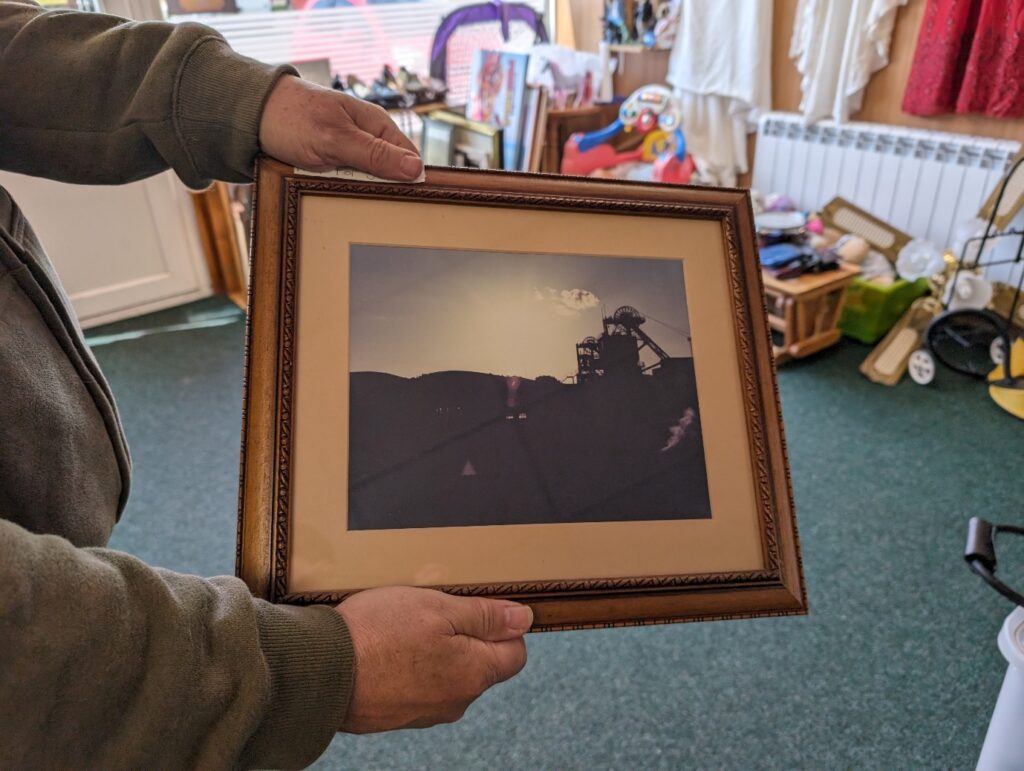
On one visit to the village, having viewed the decaying pub, we walk up to the small row of shops which is now the heart of the village. In the charity shop a framed photograph of the mine headstocks silhouetted against the rising sun, or possibly the sun setting at the close of day, is brought down from a shelf. A shop volunteer, a local woman in her 60s, tells us that the 15 years she had worked as a secretary at the mine were ‘the best days of her life’. With a colleague, she reflects that ‘the men’, their husbands and brothers, found the physical toil of the job gruelling but that to this day they miss the ‘comradeship’ and sense of common pride.
When we spent time in the village talking to residents, many shared stories that placed the pub at the rhythms of work and leisure for so long central to life in the village. We learnt that the Three Lions was the favoured calling point either at the start or end of a night out in one of the neighbouring towns, such as Warsop or Mansfield. The last bus or, sometimes, a decent walk, back into the village would inevitably supply a few revellers keen to make ‘last orders at the Lions’. The pub was host to various activities that sustained a feeling of community. We spoke to Dave and Nikki, a former miner and his wife, now living down the road in Warsop. Nikki shares memories of the Sunday pub quiz nights at the Three Lions as a great social occasion; a chance to drink and socialise, with David joining her later after his brass band practice. We hear from others about the atmosphere of gatherings around events like England matches at international tournaments when, it felt like the whole village was in there’ and ‘the atmosphere was electric’.
We spoke to residents too young to drink during the Three Lions’ heyday who nevertheless held fond memories of the pub. Of summer afternoons spent in the playground behind, or kicking balls around the adjacent meadow, and requests for fizzy pop and bags of crisps from the adults drinking inside. The irony was not lost on several residents that this outdoor space is in part what contributes to its value as a plot of development land.
In a focus group we host in the village, one resident speaks of her childhood growing up in Meden Vale:
‘I lived there when the mine was open and I was in the jazz band, I was the mascot of the jazz band and the pit galas and everything else that happened, it was a thriving village and when the mine closed it had a massive effect because a lot of people moved out of the village. A lot of people moved out of the village’.
Many we speak to about the pub live in the village or in the area with some past connection to the village. Others, more recent arrivals without much prior connection to the area spoke of the appeal of village life. In a focus group held in the village Methodist Hall, we hear from a woman who moved to Meden Vale a decade ago. The pub, and the other village amenities were central to her decision to buy a house in the village and appear to offer a focal point for her hopes, at the time, of what village life would offer when she moved from London. This tethering of pubs to imaginings of a rural idyl is something that the Sociologist Claire Markham has highlighted in her research on rural pubs.
In such memories the pub is recounted as being a thriving community space; a place where young and old from the village met and socialised. The pub is remembered as a space where attachments were formed, a place people felt attached to. This loss of people and a loss of community activity bred a general sense of disassociation. The pit closure robbed the community of the people who would serve on the various committees that made the social calendar of the village function. With the closure of the mine, the 2010s were a time of uncertainty for the village and for the pub. It came to feel, as one interviewee put it, like ‘a forgotten village’. We heard from many how the village soon felt less connected, less communal.
There is a sense that the loss of the pub is part of a wider trend that finds the village more fragmented or atomised. Focus groups talk about concerns that younger generation of village missing out on the social opportunities of the pub, instead stuck inside on social media with diminishing levels of social confidence. A generation who felt the pub was a place where you learnt skills in social interaction now appear to lament what they see as adolescence lacking in social vitality and adventure. One resident we spoke to in a focus group lamented the loss of a space where a younger generation embarking on a night out would mix with older residents, having a casual drink but learning a way of socialising and being ‘out in public’ that is now missing. Similarly, one participant in a group interview told us of a recent conversation with a family member about how there were no bonfires in the village since the pub ‘went downhill’, then closed.
The loss of the Three Lions is tied up with these sometimes painful memories and emotions relating to the mine, and broader perceptions that the village has been neglected and left to decline.
During the final years of its operation, the pub itself changed ownership several times in quick succession and eventually, we’re told, ‘just fell into the wrong hands’. From various sources we learn that the last and final landlord of the pub, in place from March 2018 to the pubs final closure on New Years Day 2022, is felt to have ‘run the place down’; possibly in collusion with the pub’s owners, eager to realise the value of the sizable plot of land as an asset for property development. This final Landlord was said to have come to the village with a ‘proven track record of closing pubs’ and once in charge of the Three Lions he had ‘chased people away, he put people off’. Suspicions that a pub is run down by intentional negligence, paving the way for a planning approval on the basis of a lack of viability, are a common occurrence across our research.
Nikki recalled that they stopped going from around 2011 onwards as it passed through different hands:
‘It wasn’t clean, it wasn’t – there was obvious drug dealing going on, you know, even back then it was, it just wasn’t the same pub as it was, it had lost that feeling of being part of the community and it was just somewhere that people went to drink’.
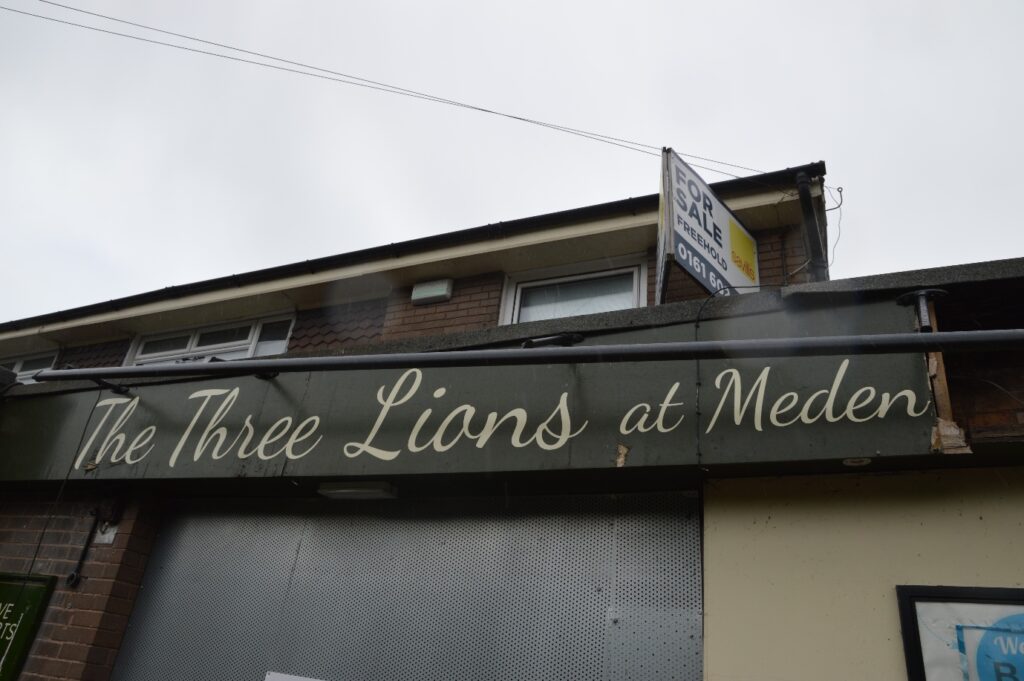
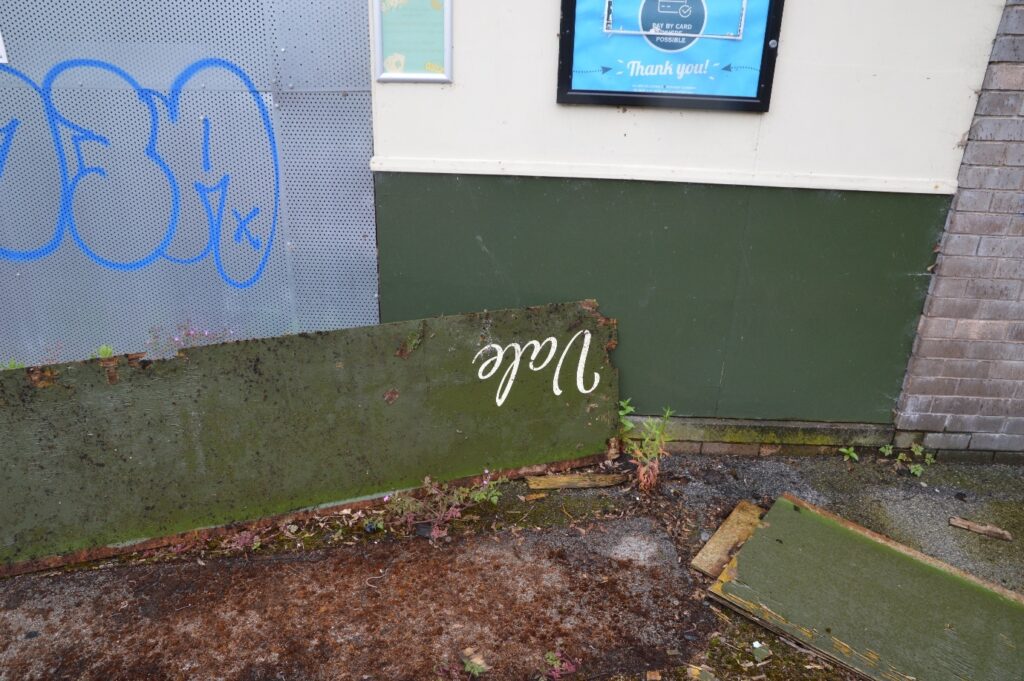
The pub now sits in a state of progressive dereliction. Each time we visit the site, the damage to the building is more apparent. Fire damage chars the front right corner and the rear of the building. A side door has been wrenched off its hinges. Broken glass litters the floor and graffiti adorns the walls. The skeleton of a fly tipped sofa slowly decomposes in the car park. The slides and swings of the children’s play area in the garden at the rear slowly submerge in waist high grass and weeds.
Amongst this decay, words speak of the pub’s eventful history. Light green cursive lettering runs across a forest green background welcoming ‘The Three Lions at Meden’; we search amongst the debris and flip over the missing segment of signage where ‘Vale’ lay on the floor. Elsewhere, the front signage offering ‘Live Sports’ and ‘Pub Games’ sit awkwardly next to an estate agents’ ‘For Sale’ sign and Covid era signage offering a ‘Welcome Back’, warning to ‘Stay Safe’. Elsewhere, graffitied as ‘Rave Cave’ and ‘Hardcore’, are the calling cards of the teenager delinquency many locals now associate the with the building. The Three Lions pub sign still hangs with its football inspired crest. Not far away, a streak of urine yellow discoloured paper beneath its laminated covering, is a Mansfield District Council planning notice announcing the ‘MAJOR REDEVELOPMENT’ the ‘DEMOLITION OF PUBLIC HOUSE AN ERECTION OF A NO. OF MIXED AFFORDABLE DWELLINGS’.
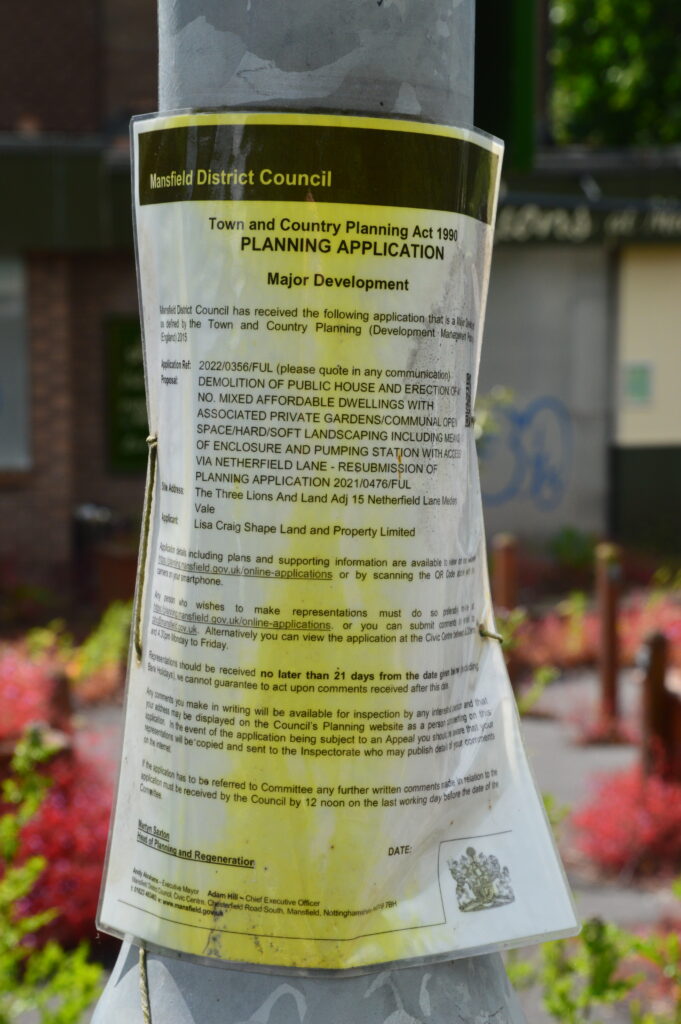
In 2019, whilst the pub is still open, a planning application was submitted for three houses to be built on land adjacent to the pub. Later that year the pub was put up for auction but failed to attract a buyer. In June 2021 a new planning application was made, this time by a different owner and for development of not just a few houses but for the entire pub site. This prompts a campaign by local residents who successfully get the pub listed as a registered as an Asset of Community Value in September 2021. A viable bid for the community to purchase the pub, often the presumed next step following an ACV designation, failed to materialise. We later hear several participants reflect that Meden Vale is a place where ‘that sort of thing won’t happen’. In November 2021 the planning permission was again refused by Mansfield Council, who say there is a lack of evidence of a sustained marketing of the pub as a going concern. Then, at the very end of December 2021, the pub abruptly ceased trading and appears on the market for £500,000. It goes on to sell for well above this – it being clear to everyone that the sale price reflects not the value of the pub itself but the land it sits on. Tellingly, we see communications relating to the planning process referring to the ‘land value’ – not a pub at this point – being ‘about right’ at £650,000.
The next summer a second planning application was submitted, this time for the whole two acre site, saying that after six months on the market there’s clearly no interest in the pub being acquired as a going concern. In January 2023 the pub was bought by a subsidiary of Admiral Taverns for £663,053 and in September 2023 Planning permission for the demolition of the pub and the building of 41 dwellings is granted, albeit with various conditions to be met before work can commence. The requirements under Section 106 of the 1990 Town and Country Planning Act require the eventual developer to make a series of contributing to the village amenities, money towards local healthcare, upgrading a nearby bus stop and maintaining public open spaces totalling around £80,000. In August 2024, Admiral Taverns confirmed to us on the phone that the site was going through the process of being sold but offer no further details.
A viability report produced in March 2023 and submitted as part of the planning application to Mansfield council is also revealing. The early sections of the report focus on the unviable nature of the Three Lions trading model: ‘We understand that the property has traditionally traded as a wet-led business and therefore it would take a leap of faith from an operator to reposition the offering of the property to incorporate a viable food service’. After setting out the prohibitive costs of converting the Three Lions into a food-led venue (£50,000 for a kitchen, plus the costs of training staff and upgrading the dinning space which even then would provide too few covers to meet needs), the wider picture reported is a bleak one:
‘It is safe to assume the business relied heavily on wet sales, a part of the market that is declining across the country and the industry. Customers are increasingly staying at home to drink and going out to eat and the resulting level of decline is not unusual for this type of operation. Businesses such as this have been unable to compete in the current market due to the lack of a food offering and only a small customer trading area.’
The report notes that ‘as a tenanted house the operator has to face the higher costs associated with the ties of the tenancy and will struggle to compete with Free Houses and Managed Houses which benefit from economies of scale’, and concludes that an investment of around £225,000 plus working capital of at least £20,000 would be needed to reopen the pub.
We heard from several locals that ‘some developer will make a fortune’ from the site. It’s easy to see how, with the large carpark and adjoining meadow giving amble space for a substantial residential development. However, we later talk to a property developer who recalls the pub going on the market. He explained that things have changed recently, and in a location like Meden Vale, where property prices are lower, the rapidly increasing costs of development no longer make a site like this lucrative or, even, profitable. It’s a situation he has seen regularly in recent years: pubs built in the 1960s, to tap into the post-war growth of housing estates, later becoming unviable as the very communities they were built to serve began to fragment and the sector as a whole moved away from wet-led, drinks only, operating. Tucked away on an estate or, like the Three Lions, sat on a main road but not one well sited for passing trade nor public transport, such pubs saw their regular custom decline without having the location or the appeal to entice passing trade or occasional customer. It is difficult to imagine a scenario where a pub like the Three Lions could become a destination pub, bringing visitors into the area specifically for a visit to the pub.
Location matters, brutally so. A site like that offered by the loss of the Three Lions will now only be considered by a housing association. There is also a very real prospect of the site lying in limbo, viable as neither a pub nor a development site.
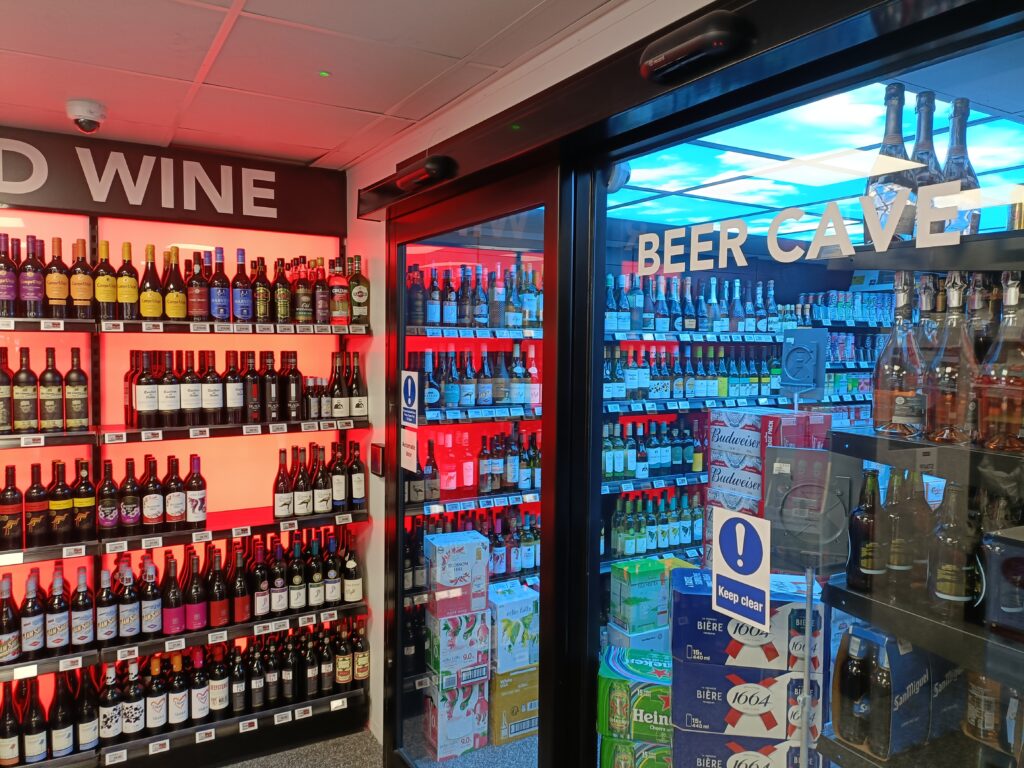
Does a village without a pub stop drinking? Viewing the notable portion of floor space of the village shop given over to alcohol sales, including a walk in ‘beer fridge’, it appears not. Several locals we speak to say they drink at home now, to save money and to save the hassle of a bus into Warsop or Mansfield. Within the area there are examples of pubs surviving, if not thriving.
Since giving up on the Three Lions, Nikki explained, their pub going habits have changed. They now go to the Greendale Oak in the neighbouring village of Cuckney, which has a greater focus on food. Since there’s no bus service linking the villages they normally ‘drive up there, have two drinks and come home’. Or if they’re having a meal or meeting up with friends they might leave the car and get a taxi home. They’re now friends with the couple who run the pub and speak highly of it, especially after its recent refurbishment, describing it as now constituting ‘the community pub’ even if it’s two miles away:
‘We started going up there and it was like, wow and it, it felt like a proper pub, we were welcomed, all the staff know us, they know what we drink, they know which table we like to sit on. We had our twenty-fifth wedding anniversary celebrations up there’
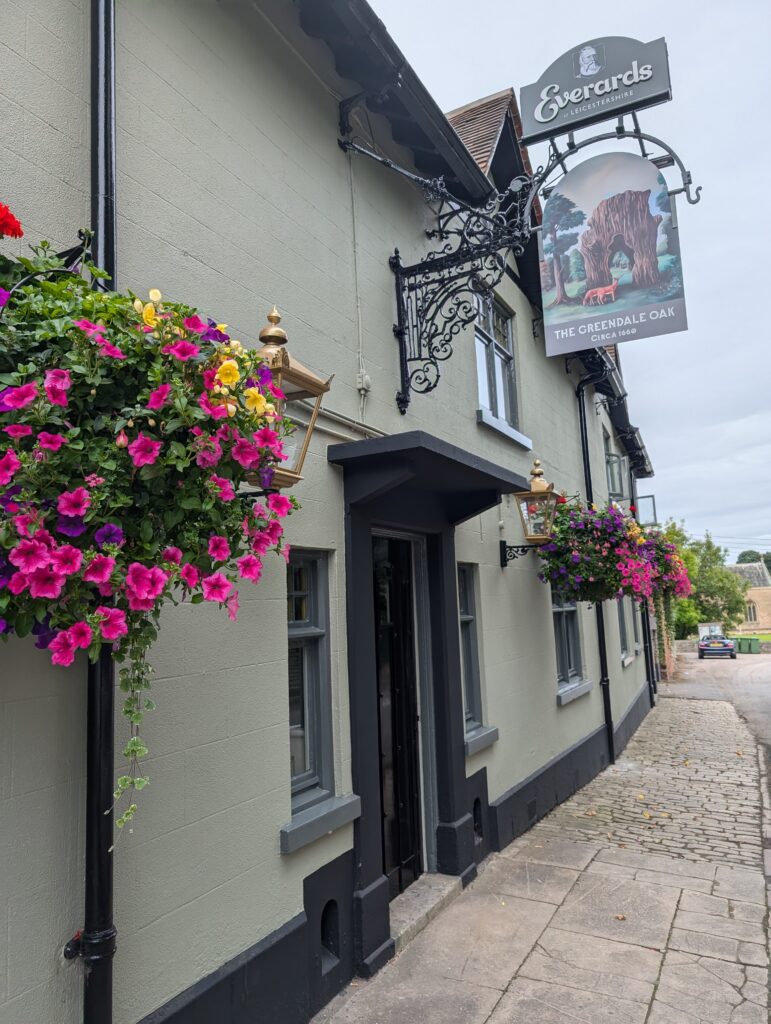
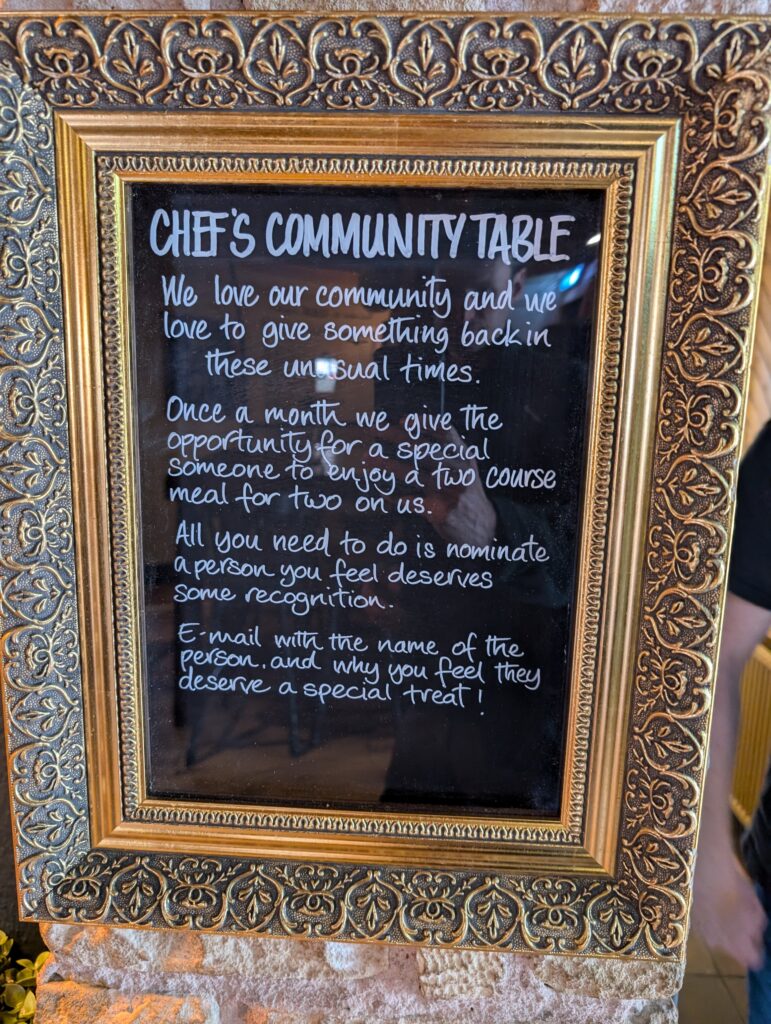
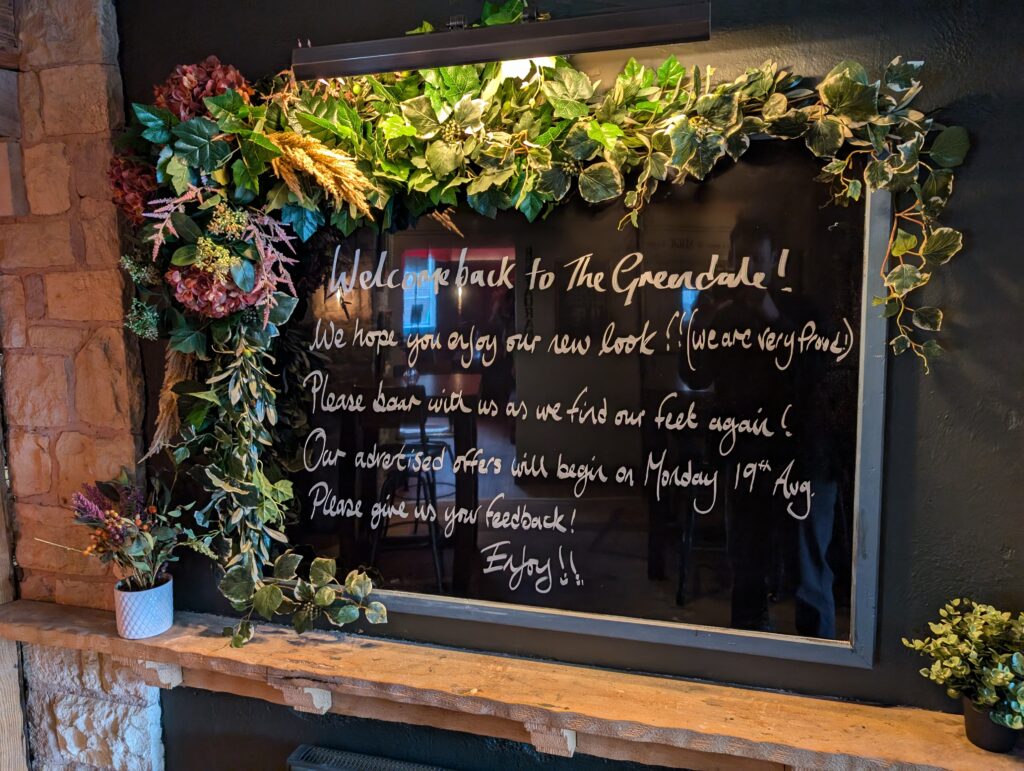
The Greendale Oak in Cuckney shortly after reopening following extensive refurbishment
As well as the Greendale Oak, there is the Adlers, a Marstons owned pub food focused on a large roundabout where several major through roads converge. One resident, a self-proclaimed ‘outsider’ having only moved to the village nine years ago, tells us that some of the former regulars from Three Lions can now be found drinking down the road in Warsop: older regulars at one particular pub and some of the tradesman who used to drink at the pub can now park their vans outside the Ex-Servicemen’s Club for their after-work beers. We’re also told that the Legion feels more of a community space, with membership cards, discounted drinks and a Christmas party for local families. One participant reflects that at the Warsop legion:
‘I was going to say it’s a tradition that’s kind of carried, been passed on and you can see the dads who drunk in there, their children who are now adults drink in there, and you can see it’s a, it’s continuing, it’s a very generational…’
These and other comments suggest that forms of drinking and working class sociability carry on despite the closure of the Three Lions, and other pubs in the wider area.
Assumptions about what post-industrialisation look like are problematised by a place like Meden Vale. It doesn’t ‘look’ (post)industrial and residents feel lucky to live in a rural area, surrounded by woodland and open fields. But development in the area tends to avoid Meden Vale. Instead, new facilities are sited closer to the larger towns and the main roads linking them. A new health centre recently opened in Warsop offering a swimming pool, a gym and rooms for meetings and functions. The John Fretwell Centre, a large spots complex, opened 3 miles from Meden Vale in 2006 and for a time hosted what remained of the colliery cricket team.
In fact, amateur sport appears to be thriving in the area. The local football club Meden Vale Colts is flourishing under the stewardship of several local volunteers. One of whom is sure that the Three Lions might have survived had the last landlord acted on offers to better link the growing football club with the pub, for example by providing hosting post-match gatherings on the days of one of the many tournaments. With the pub gone, the football club organises its own summer event which has drawn large crowds in recent years.
Through our enquiries about the pub, we met many locals involved in various community groups and volunteer events. They could see how the closure of the Three Lions had affected the village but were eager to celebrate the ongoing sense of community. Their only concern was that the coffee mornings, baby and toddler stay and play sessions and book groups appearing in recent years were not the types of activities older men, retired miners, would connect with. As with worries about the village’s young people, some felt the loss of the Three Lions left older male residents particularly isolated.
For now, the Three Lions stands as a reminder of the past, while residents await its eventual demolition and redevelopment. It shows that pubs, even ones as unremarkable as this, are sites of memory that attached people to place.
It also shows how the closure, or success, of a pub is inescapably linked to location. Few would give a pub like this a fighting chance given the maelstrom of adverse conditions hitting the pub sector. The closure of a pub like the Three Lions can invoke a collective sense of loss, even while individually residents each made their own decisions to shift their drinking elsewhere, often well before the pub’s actual closure. But this is more than just a business matter; pubs are manifestations of community and their demise surfaces complex feelings of – loss, nostalgia, anger and hope – about the community and its past, present and future.
